
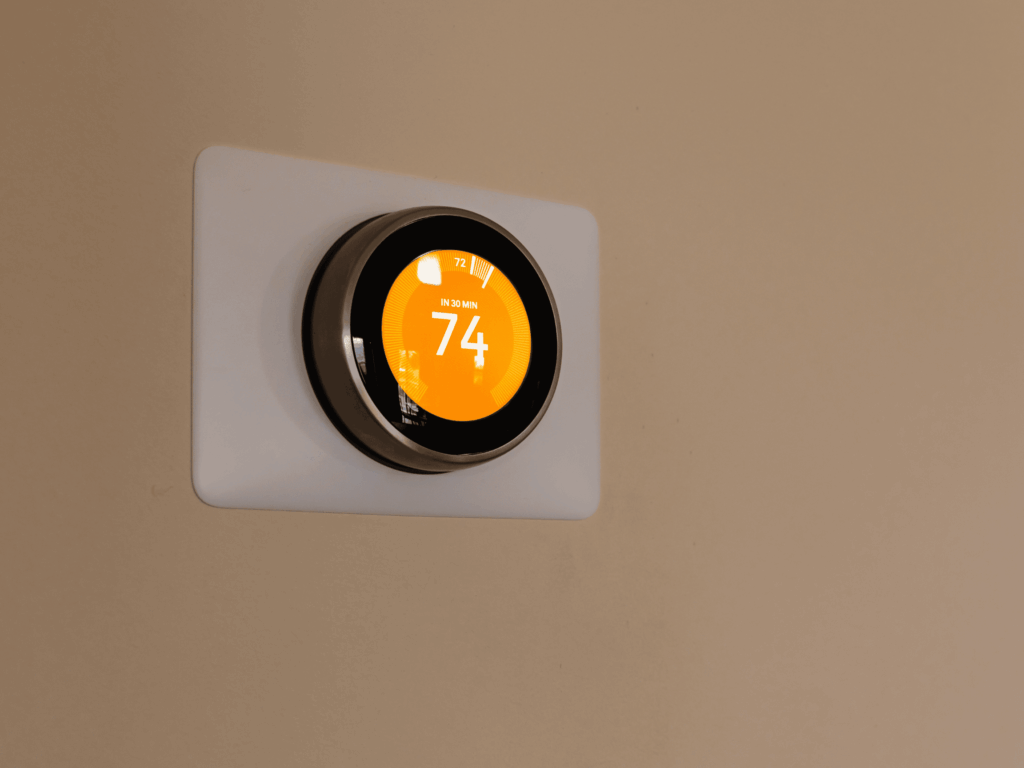
January is when heating systems across Bucks County work the hardest. Homeowners in Doylestown, Buckingham, Newtown, and Washington Crossing often notice the same thing once sustained cold sets in—the furnace seems to be running constantly.
For many people, this raises reasonable concerns. Is the system struggling? Is something broken? Or is this just how furnaces behave when temperatures drop into the 20s and teens?
The short answer is that longer run times in January are often normal. The more important question is whether your system is running efficiently or compensating for a problem. Understanding the difference can help you avoid unnecessary stress, reduce energy waste, and make smarter decisions about maintenance or upgrades.
As a heating company based in Bensalem, Seer Mechanical spends a lot of time explaining this exact issue to homeowners each winter. This guide breaks down what is normal, what is not, and what January furnace behavior can tell you about your home.
Why Furnaces Run Longer in January
Your furnace does not work harder because it is colder—it works longer because your home is losing heat faster.
When outdoor temperatures drop, the temperature difference between inside and outside increases. Heat naturally flows toward cold, which means your home sheds warmth more quickly through walls, windows, roofs, and ductwork. To maintain your thermostat setting, the furnace must replace that lost heat.
In milder weather, the system cycles on and off more frequently. In January, those cycles stretch longer because the system has to overcome greater heat loss. This is not a sign of failure—it is a sign the system is doing what it was designed to do.
What matters is whether your furnace can:
- Reach the thermostat setting
- Maintain it consistently
- Do so without excessive noise, short cycling, or temperature swings
If it can, longer run times are usually normal.
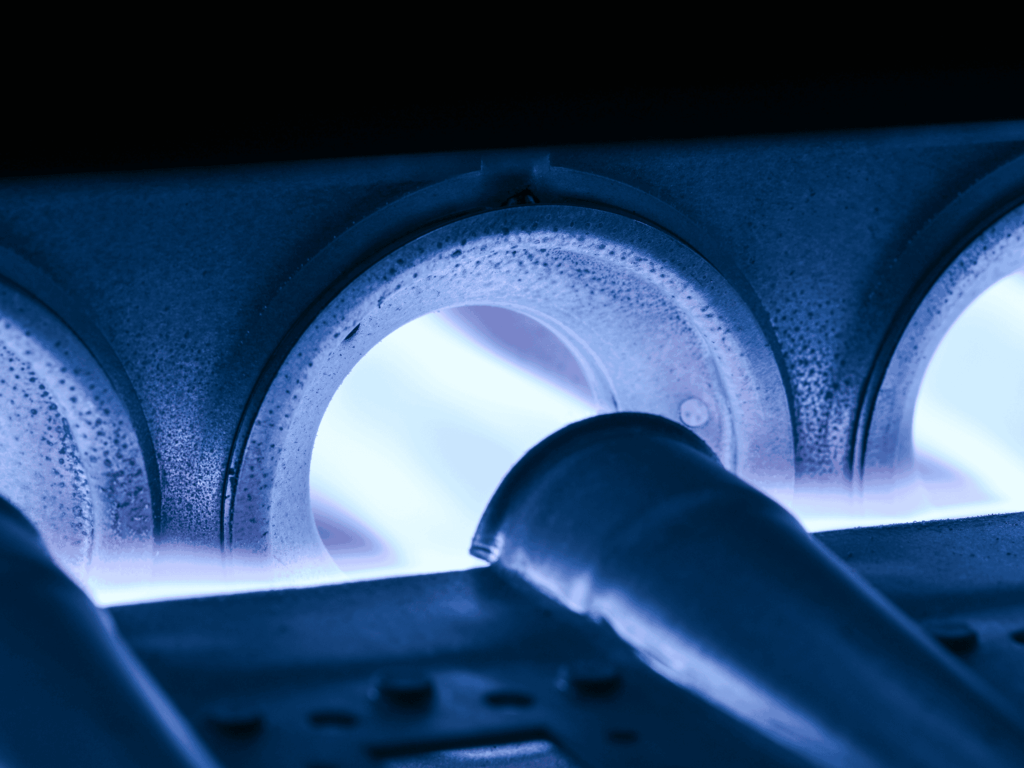
Long Cycles vs. Constant Running
There is an important distinction between a furnace running for long cycles and a furnace that never seems to shut off.
Long cycles are common in cold weather. The system runs steadily, warms the home evenly, and eventually satisfies the thermostat.
Constant running, on the other hand, may indicate that the system cannot keep up with heat loss. When this happens, the furnace may run continuously without ever reaching the set temperature.
This is where January becomes useful diagnostically. Cold weather exposes inefficiencies that remain hidden in fall or early winter.
Common contributing factors include:
- Inadequate insulation
- Air leaks around windows, doors, or attics
- Undersized or aging equipment
- Airflow restrictions
- Duct leakage
In areas like Newtown and Washington Crossing, where many homes are larger or older, these factors can compound quickly once temperatures remain low for extended periods.
Why Short Cycling Is Often a Bigger Problem
While homeowners often worry about furnaces that run too long, systems that cycle on and off rapidly can be a bigger concern.
Short cycling occurs when a furnace turns on, runs briefly, shuts off, and then restarts shortly afterward. This behavior increases wear, reduces efficiency, and often points to airflow or control issues.
Common causes include:
- Dirty air filters
- Blocked return vents
- Oversized equipment
- Faulty thermostats
In January, short cycling wastes more energy because the system never reaches optimal operating conditions. Addressing airflow and control issues early can improve both comfort and equipment longevity.
The Role of Your Home in Furnace Runtime
Your furnace does not operate in isolation. It responds to the conditions of the home it is heating.
Two houses with identical furnaces can have completely different winter performance based on:
- Insulation quality
- Window efficiency
- Air sealing
- Duct design
- Ceiling height and layout
Homes in Buckingham and Doylestown, for example, often have larger footprints or older construction details that affect heat retention. In these cases, longer furnace runtime may reflect the home’s thermal characteristics rather than a system defect.
Understanding this relationship helps homeowners avoid unnecessary replacements and focus on targeted improvements that actually reduce heating demand.
When Long Runtime Is a Red Flag
Extended furnace operation becomes a concern when it is accompanied by other warning signs, such as:
- Rooms that never feel warm
- Temperature differences between floors
- Rising energy bills that exceed weather-related increases
- Unusual noises or odors
- A thermostat that never reaches its set point
When these symptoms appear together, the furnace may be compensating for airflow, insulation, or duct problems rather than operating efficiently.
If your furnace runs constantly and comfort is still inconsistent, Seer Mechanical can evaluate whether the issue lies with the system, the home, or both—helping homeowners in Bensalem and surrounding areas identify the right next step.
How Maintenance Affects Winter Runtime
Preventive maintenance plays a significant role in how efficiently a furnace operates during peak winter demand.
Over time, dust accumulation, minor component wear, and calibration drift reduce performance. These issues do not always cause breakdowns, but they force the system to run longer to deliver the same amount of heat.
A proper heating tune-up focuses on:
- Cleaning key components
- Verifying safe operation
- Confirming proper airflow
- Ensuring accurate thermostat communication
In January, well-maintained systems tend to run more steadily and predictably, while neglected systems struggle under sustained load.
For homeowners in Bensalem, where many systems are older, maintenance often provides immediate efficiency gains without major investment.
If your furnace has not been serviced recently, scheduling winter maintenance with Seer Mechanical can improve efficiency, reduce runtime, and lower the risk of mid-season breakdowns.
When to Consider a System Evaluation or Upgrade
Long runtime alone does not mean replacement is necessary. However, when extended operation coincides with high fuel usage, frequent repairs, or aging equipment, it may be time to evaluate long-term options.
Modern furnaces and heat pumps offer:
- Higher efficiency ratings
- More consistent temperature control
- Quieter operation
- Improved air quality
That said, replacing equipment without addressing airflow or heat loss often leads to disappointing results. Evaluation should always come before recommendation.
What January Teaches Homeowners
January is the most honest month for heating performance. It reveals how well your system and home work together under real conditions.
By paying attention to runtime patterns, comfort levels, and energy use during this period, homeowners can make better decisions—not just for this winter, but for years to come.
As a local heating company serving Bensalem, Doylestown, Buckingham, Newtown, and Washington Crossing, Seer Mechanical takes an education-first approach to helping homeowners understand what their furnace behavior actually means.
If this winter has raised questions about your heating system’s performance, Seer Mechanical can help you interpret what you are seeing and determine whether simple adjustments or long-term improvements make the most sense.