
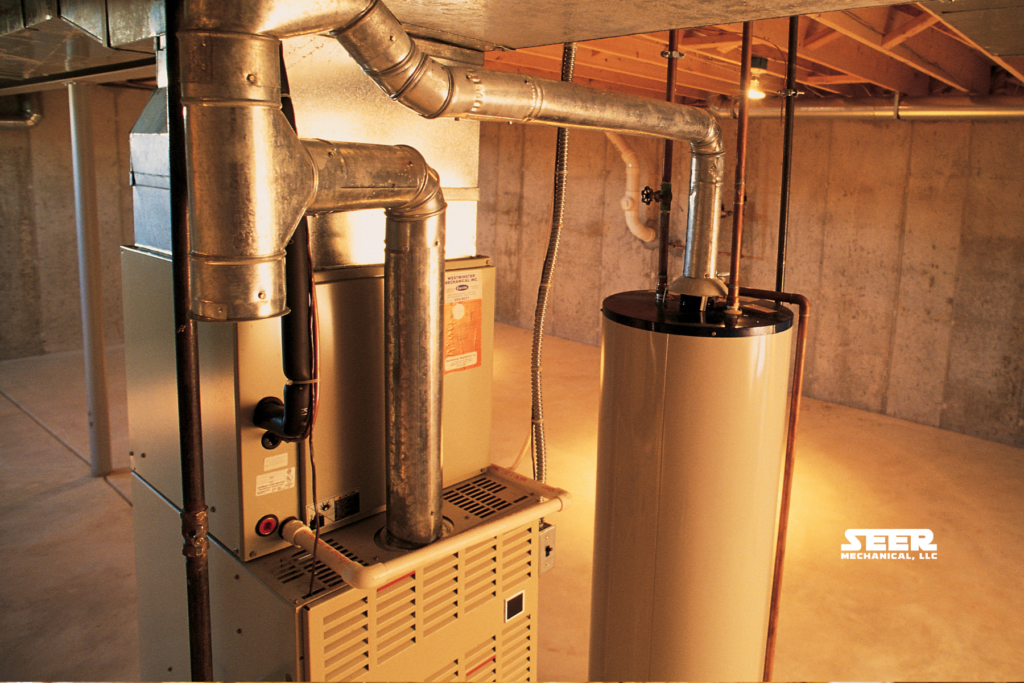
If your furnace made it through this winter, you might be thinking, “We’re good for another year.”
Maybe. Maybe not.
Late winter and early spring is when many homeowners in Bucks County and Montgomery County start reflecting on how their heating system actually performed. Did it struggle on the coldest days? Did your energy bills spike? Did you need a repair just to get through February?
If your system is showing its age, waiting until next winter could mean facing an emergency breakdown when demand is highest.
Here’s how to decide – logically and practically – whether furnace replacement makes sense before next heating season.
How Long Does a Furnace Last in Pennsylvania?
In our region, the average gas furnace lasts 15 to 20 years.
That estimate depends on:
- Installation quality
- Annual maintenance
- System sizing
- Filter changes
- Winter workload
Pennsylvania winters put consistent strain on heating systems. Extended periods of freezing temperatures, combined with older ductwork in many homes throughout Bucks County and Philadelphia, can accelerate wear.
If your furnace is:
- Under 10 years old – replacement is rarely necessary
- 10 to 15 years old – evaluate performance carefully
- 15+ years old – replacement becomes a serious consideration
If you’re unsure about the condition of your system, a professional evaluation can give you a clear answer.
Call Seer Mechanical to schedule a heating system assessment and find out exactly where your furnace stands before next winter arrives.
7 Signs It May Be Time to Replace Your Furnace
1. Your Furnace Is 15 Years or Older
Age alone does not mean failure. But efficiency standards have changed significantly.
Older furnaces often operate at 80% AFUE (Annual Fuel Utilization Efficiency). Modern high-efficiency systems operate at 95%–98% AFUE.
That difference means more of the fuel you pay for becomes usable heat instead of exhaust.
If your furnace is over 15 years old, you are likely operating at lower efficiency compared to current systems.
2. You’re Scheduling Frequent Repairs
One repair does not justify replacement.
Multiple repairs within a short window often do.
If you’ve experienced:
- Ignition failures
- Blower motor issues
- Control board replacements
- Limit switch problems
And those repairs are stacking year after year, replacement may become more cost-effective than continued patchwork fixes.
3. Your Energy Bills Keep Rising
Energy prices fluctuate. But if your heating usage habits have stayed consistent and your bills continue climbing, your furnace could be losing efficiency.
As systems age:
- Heat exchangers degrade
- Burners lose precision
- Blower motors lose performance
- Airflow becomes restricted
Efficiency decline happens gradually, which makes it easy to overlook.
4. Uneven Heating Throughout the Home
Are certain rooms always colder?
In older systems, uneven heating can result from:
- Blower performance decline
- Duct leakage
- Improper original sizing
- Aging components
A modern system installed with proper load calculations can significantly improve distribution and comfort.
5. Strange Noises
Rattling, banging, or whining sounds are not normal.
They can indicate:
- Worn bearings
- Failing motors
- Loose internal components
- Airflow restriction
Mechanical noise tends to increase as internal components wear down.
6. Short Cycling
Short cycling occurs when the furnace turns on and off rapidly without completing a full heating cycle.
Causes may include:
- Overheating
- Improper sizing
- Cracked heat exchanger
- Airflow restrictions
Short cycling reduces efficiency and accelerates wear. If unresolved, it can lead to system failure.
7. You Plan to Stay in Your Home Long-Term
If you intend to remain in your home for another 5–10 years, investing in a new system now may offer:
- Lower operating costs
- Improved comfort
- Reduced repair stress
- Increased resale appeal
If you’re moving soon, the decision calculus changes.
Repair or Replace? A Practical Framework
Here is a simple decision rule many homeowners use:
- If repair costs exceed 30–40% of replacement cost
- If the furnace is over 15 years old
- If multiple repairs occurred in the past 24 months
Replacement often makes financial sense.
This is not about pushing new equipment. It is about avoiding repeated expenses on a system near end-of-life.
An honest HVAC provider should be willing to evaluate both options and explain the math clearly.
What Does Furnace Replacement Cost in the Philadelphia Area?
Costs vary depending on several factors, including:
- Home size
- System efficiency rating
- Ductwork condition
- Fuel type
- Venting requirements
- Electrical modifications
In the greater Philadelphia and Bensalem area, typical residential furnace replacement projects generally fall within:
- Entry-level systems: lower efficiency, basic features
- Mid-efficiency systems: improved performance and comfort
- High-efficiency variable-speed systems: maximum energy savings and airflow control
Exact pricing depends on proper load calculations and site evaluation.
Be cautious of flat “one-size-fits-all” quotes without in-home assessment.
Why Late Winter or Early Spring Is a Smart Time to Replace
Many homeowners wait until their system fails in December or January.
That creates:
- Emergency scheduling
- Limited equipment availability
- Peak-season demand
Replacing in late winter or early spring offers advantages:
- Flexible scheduling
- Time for thoughtful decision-making
- Avoidance of emergency pricing
- Peace of mind before next winter
Planning ahead reduces stress.
What to Expect During Professional Furnace Installation
Proper installation matters as much as equipment quality.
A thorough installation should include:
- Manual J load calculation to ensure proper sizing
- Inspection of existing ductwork
- Evaluation of airflow requirements
- Permit compliance
- Gas and electrical verification
- Startup testing and calibration
Improper sizing is one of the most common causes of premature system failure.
Oversized systems short cycle. Undersized systems overwork.
Both reduce lifespan.
When Repair Still Makes Sense
Replacement is not always the answer.
Repair is typically appropriate when:
- The system is under 10 years old
- The issue is isolated and minor
- The furnace has been well maintained
- Efficiency remains acceptable
A trustworthy HVAC company should clearly explain when repair is the smarter option.
Final Thoughts
If your furnace is nearing 15 to 20 years old, now is the time to evaluate it carefully.
Waiting until it fails next winter removes your ability to make a measured decision.
A professional assessment can help you determine:
- Remaining lifespan
- Repair outlook
- Efficiency losses
- Replacement value
If you live in Bensalem, Bucks County, or the greater Philadelphia area and want a clear, honest answer about whether your furnace should be repaired or replaced, call Seer Mechanical today to schedule a heating evaluation.
Make the decision on your terms – not in the middle of the next cold snap.